A winter of abundant rain in Portugal
As we progress through these cooler winter days, the rainfall for the Algarve has been much greater than most years. This amount of water presents challenges for mediterranean gardeners almost as much as the long drought periods. This is the natural cycle, and we can take advantage of the opportunity to collect and store water while it is available. Drought periods will return and now is the time to make plans for the future.
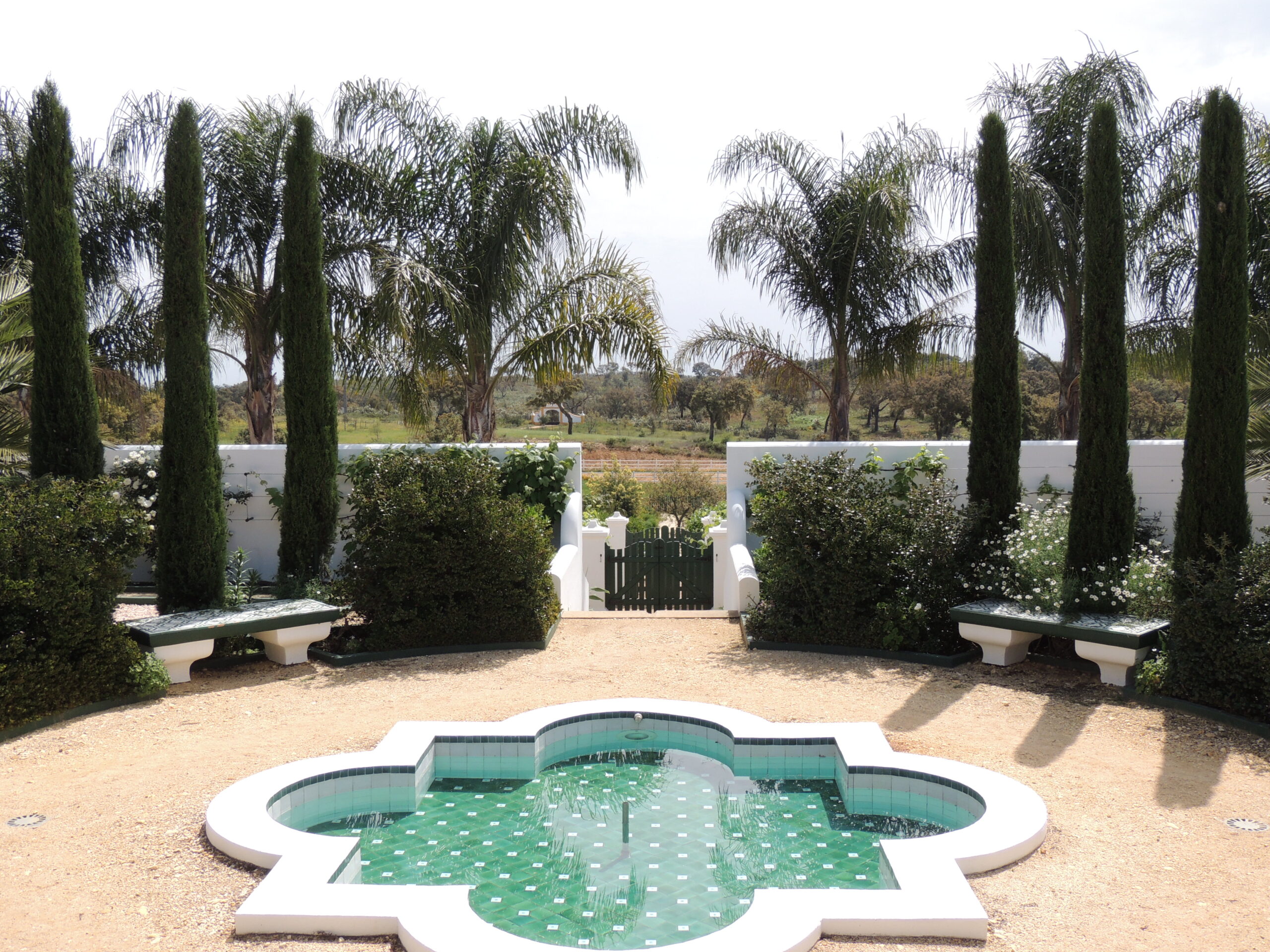
History provides examples of water management in mediterranean climates. The Roman occupation of Iberia during the first century left a legacy of canals, aqueducts and irrigation systems for agriculture. The remains of these were used by the Moors in the 8th century to support orchards, vineyards and farming. The Algarve has some established traditional irrigation systems which draw on deep wells, and older examples are now protected.
Collecting water through use of passive water catchment is not always possible, but incorporation of gutters, pipes and drains in new projects can make a significant contribution to water storage. Covered tanks and cisterns prevent evaporation and can be included under terraces, especially using the northern aspect. If possible, establish your water storage at a high point in the garden to allow gravity to circulate water for use around the garden.
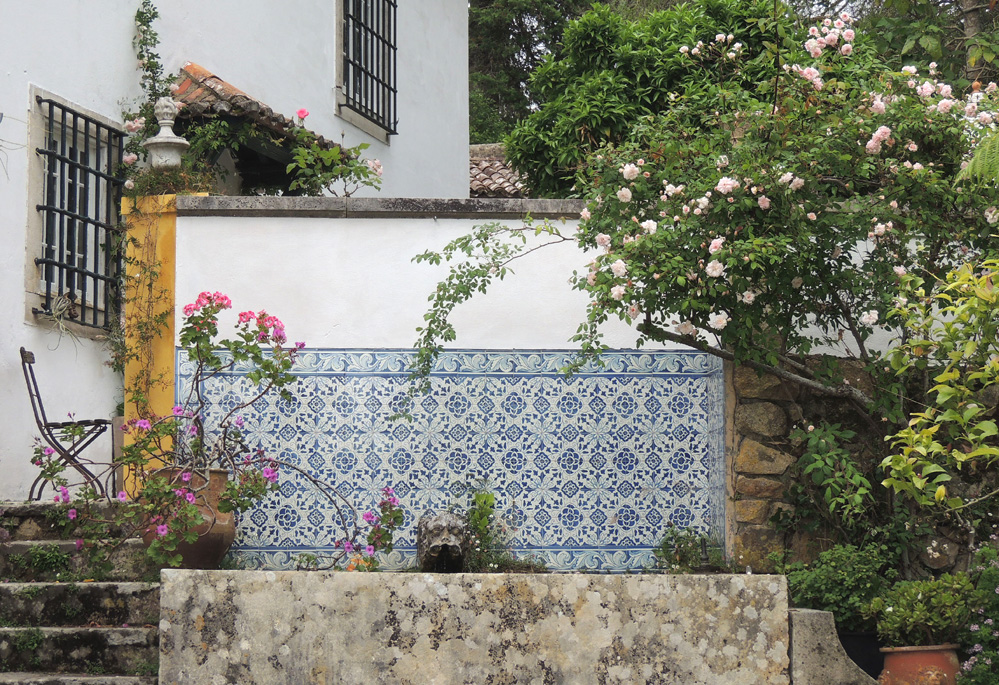
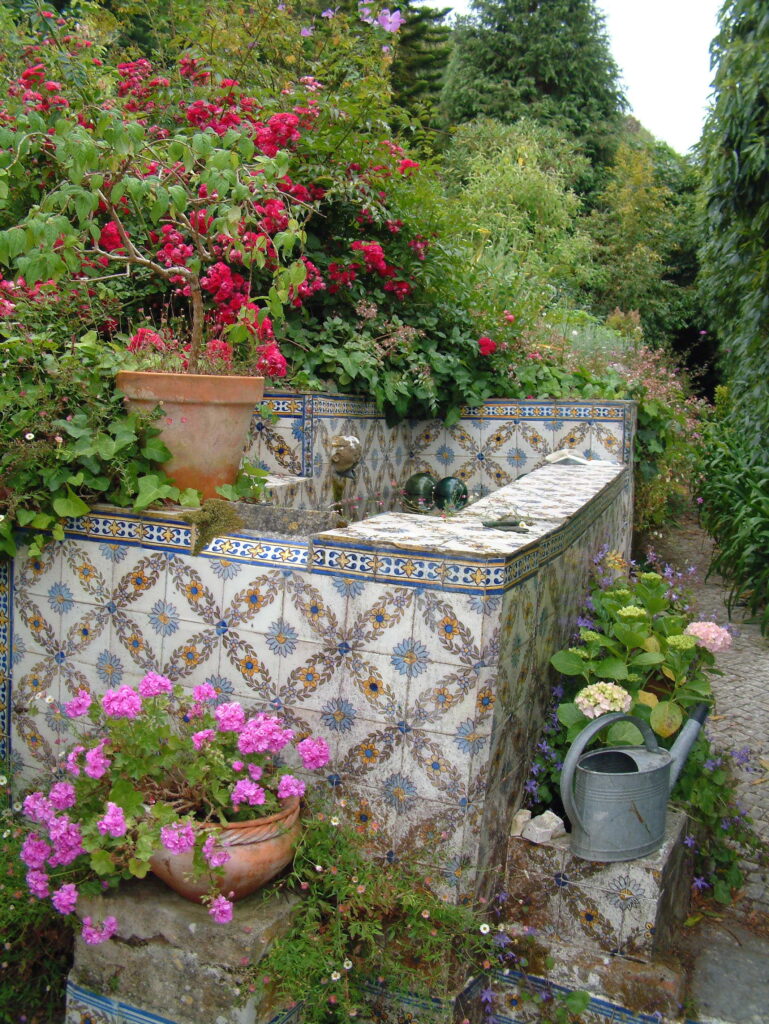
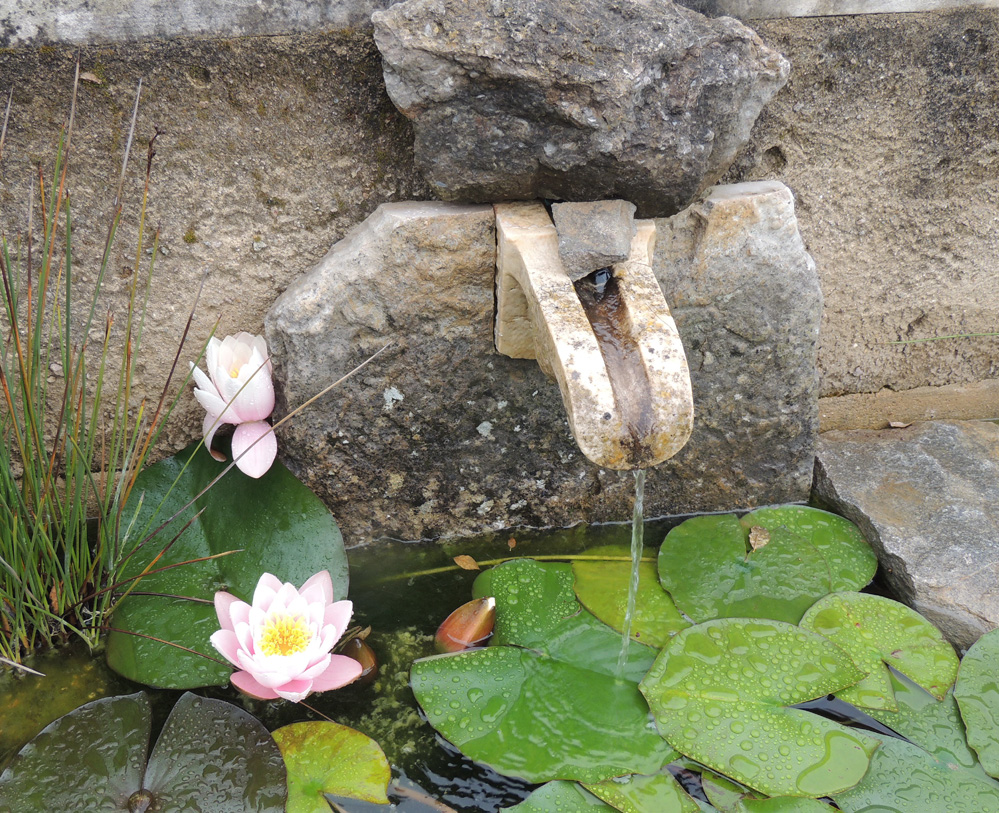
Water also provides movement and cooling air in gardens. Rills and levadas traditionally moved water around gardens, controlled with a simple system of blocks to control direction and flow. Some historic Italian gardens incorporate water jets to cool air, and delight garden visitors! A water feature is a great magnet for wildlife in the garden–especially so during a drought period.
Rainy days give us a chance to observe the way water changes our gardens and landscapes. Permaculture promotes the use of swales to capture water and allow a deeper soaking of land. With climate change the increasing trend is for more extreme weather–and this winter season is providing us with excellent examples of heavy winter rainfall. Erosion and flooding can cause long lasting damage depending on the land’s topography, soils and drainage. Water erosion in the mediterranean area can be severe due to intense, infrequent rainfall, steep terrain, fragile soils, and human impacts like deforestation and urban development. This can lead to rapid soil loss and gullying, exacerbated by removal of vegetation in wildfires, creating major challenges for land management and coastal stability.
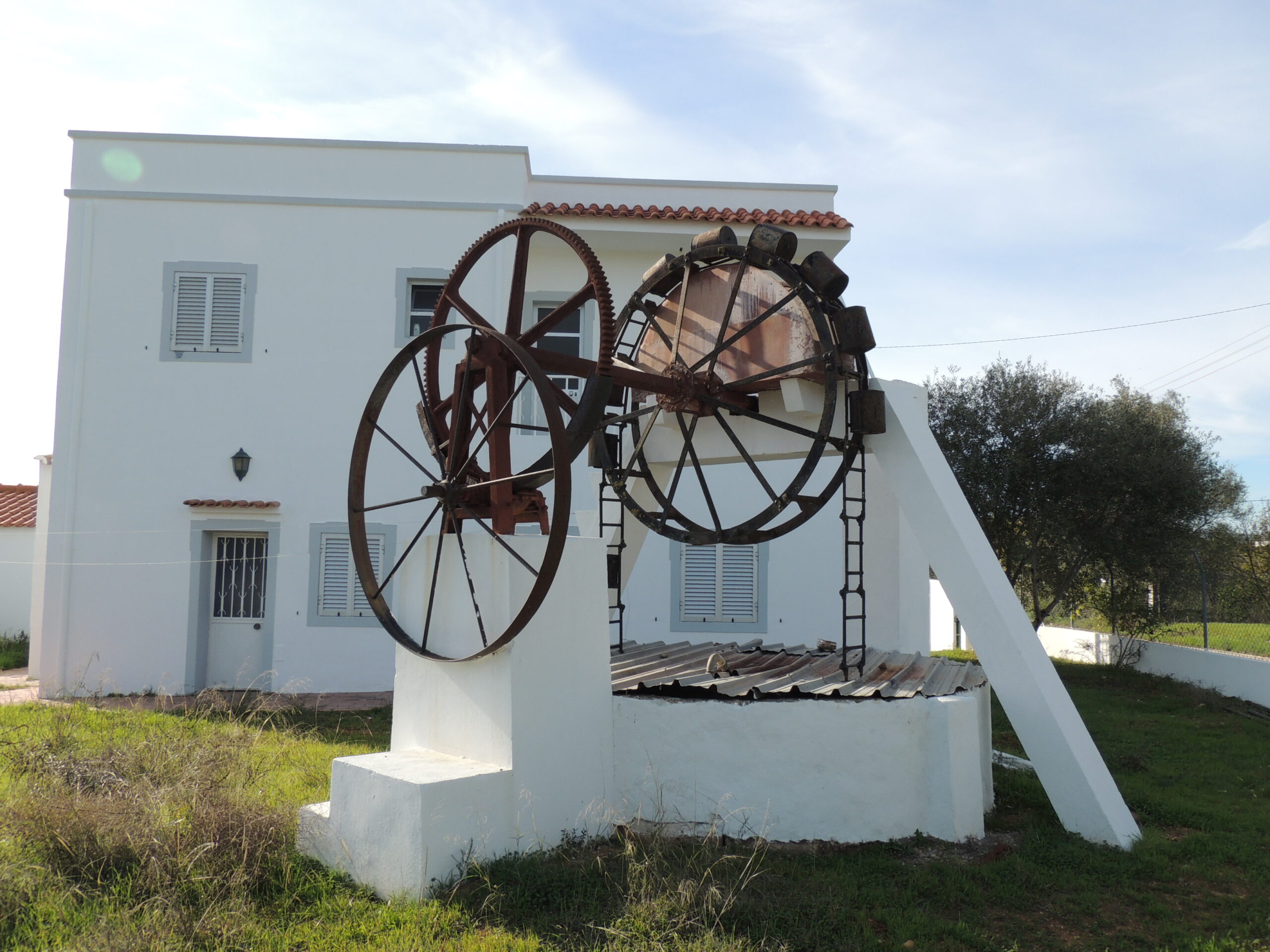
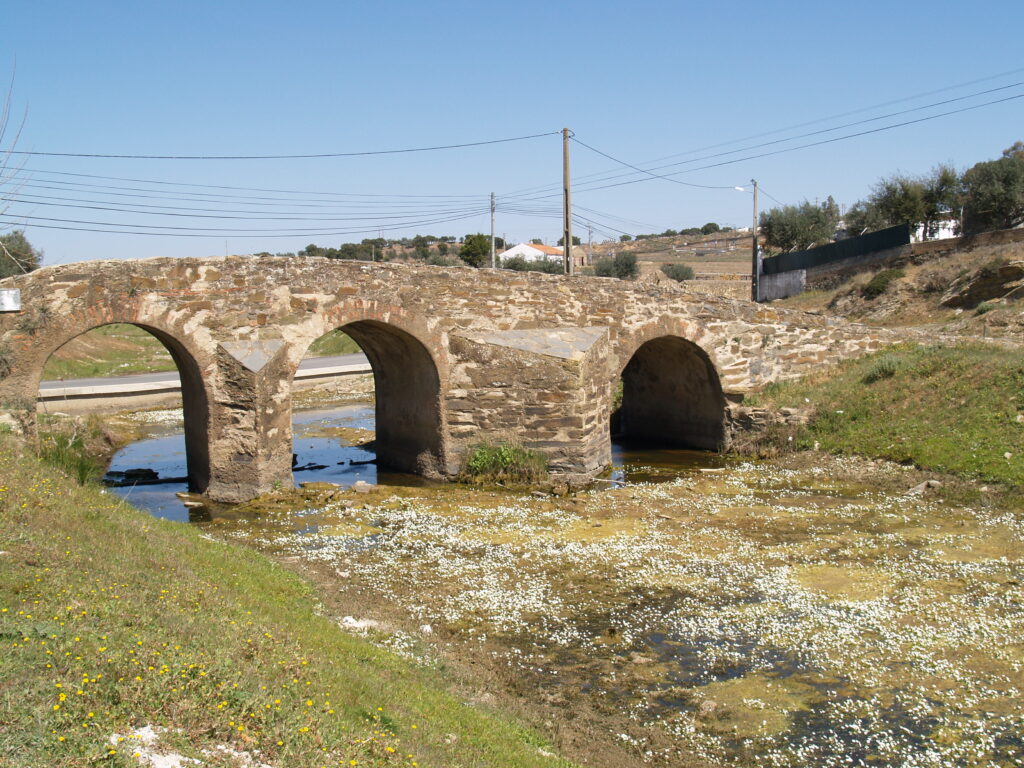
Existing systems of dry streams and rivers come into play when storms and deluges occur. If these are not cleaned and maintained regularly the water will find its own way over the surrounding land. Building on old flood plains and blocking drainage systems causes problems later.
José Pimenta Machado, president of the Portuguese Environment Agency (APA), has said that “for the first time, the average volume of water stored in Algarve reservoirs (87%) has exceeded the national average (83%),” due to exceptionally heavy rainfall this winter. There were many reasons to celebrate the recent rainy days. Living through the drought of the last decade has taught us to be aware of how we use scarce water resources in our gardens. Collecting, storing and planning for future water use will pay huge dividends when the next drought inevitably occurs.
Posted by Rosie Peddle
January 2026